Brightening and Perfecting4 min read
The Truth About Dark Spots and Uneven Skin Tone
By Frances Martin

If you have ever looked in the mirror and noticed patches of skin that are darker than the surrounding area, you are not alone. Hyperpigmentation—the clinical term for dark spots and uneven skin tone—is one of the most common skin concerns across all skin types and ages.
The frustrating part? Dark spots rarely appear overnight, and they do not disappear overnight either. But understanding why they form gives you a significant advantage in treating them effectively.
What Causes Dark Spots?
Dark spots form when your skin produces excess melanin—the pigment that gives skin its color—in concentrated areas. Several triggers can set this process in motion.
Sun Exposure
UV radiation is the primary driver of hyperpigmentation. When your skin is exposed to sunlight, it produces more melanin as a defense mechanism. Over years, this defense response creates accumulated sun spots, sometimes called age spots or liver spots. They typically appear on the face, hands, chest, and shoulders—the areas that receive the most sun exposure.
Hormonal Changes
Melasma is a specific type of hyperpigmentation triggered by hormonal fluctuations. It commonly appears during pregnancy, while taking birth control, or during perimenopause. Melasma presents as larger, more diffuse patches rather than distinct spots, often appearing on the cheeks, forehead, and upper lip.
Post-Inflammatory Hyperpigmentation (PIH)
After any skin injury—from acne to a minor cut to an aggressive skincare treatment—your skin can produce excess melanin during the healing process. These marks can linger for months or even years, especially on deeper skin tones.
Age-Related Changes
As skin ages, melanocyte distribution becomes less uniform. Some cells produce more melanin than their neighbors, creating the uneven tone that many people notice starting in their 40s.
Ingredients That Actually Help
Not all brightening ingredients are created equal. Here are the ones with the strongest evidence behind them:
Vitamin C
Vitamin C (L-ascorbic acid) is one of the most well-studied ingredients for addressing hyperpigmentation. It works by inhibiting the enzyme tyrosinase, which is essential for melanin production. Consistent daily use of a Vitamin C serum can visibly brighten skin and fade existing dark spots over 8–12 weeks.
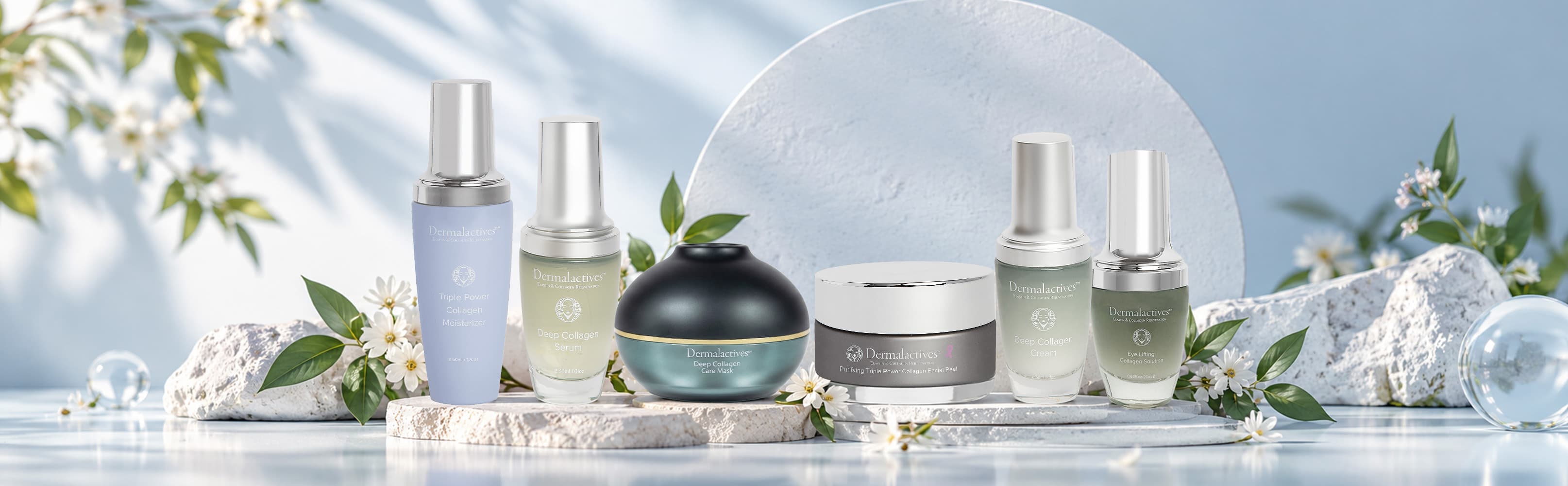
The Dermalactives Perfecting Face Serums incorporate targeted brightening technology to help even out skin tone while providing antioxidant protection.
Exfoliation
Regular exfoliation accelerates the removal of pigmented surface cells and promotes fresh, evenly pigmented skin. AHAs (glycolic acid, lactic acid) are particularly effective because they work on the skin’s surface where much of the visible discoloration resides.
Hydration
Well-hydrated skin reflects light more uniformly, which alone can make uneven skin tone less noticeable. Ingredients like hyaluronic acid and ceramides strengthen the skin barrier, reducing the inflammation that can trigger new pigmentation.
Niacinamide
Niacinamide (Vitamin B3) has been shown to reduce the transfer of melanin from melanocytes to surrounding skin cells. It works well alongside Vitamin C and is gentle enough for sensitive skin.
What Does Not Work
- Lemon juice or DIY acidic treatments: unpredictable pH levels can cause chemical burns and worsen pigmentation
- Aggressive scrubbing: friction-induced inflammation can trigger more melanin production
- Expecting overnight results: melanin exists in multiple skin layers and takes weeks to cycle out
A Realistic Timeline
With consistent use of effective ingredients, expect to see noticeable improvement in 8–12 weeks for surface-level discoloration. Deeper pigmentation like melasma can take 3–6 months or longer. Sun protection during treatment is non-negotiable—one unprotected sun exposure can undo weeks of progress.
Building Your Brightening Routine
- Morning: Gentle cleanser, Vitamin C serum, moisturizer, SPF 30+
- Evening: Gentle cleanser, exfoliating treatment (2–3x/week), brightening serum, moisturizer
- Weekly: Gentle exfoliating treatment to accelerate cell turnover
Patience and consistency are your greatest allies. Dark spots did not appear in a day, and they will not fade in a day. But with the right approach, visible improvement is absolutely achievable.
Tags:#Dark Spots#Brightening#Vitamin C